In educational settings, the “Phase Null” process serves as the starting point for building or open-space planning. It establishes the framework for subsequent decision-making and design phases. Needs are defined together with the users, while spaces and functions are discussed, coordinated, and refined, allowing the project to take shape in both content and scope.
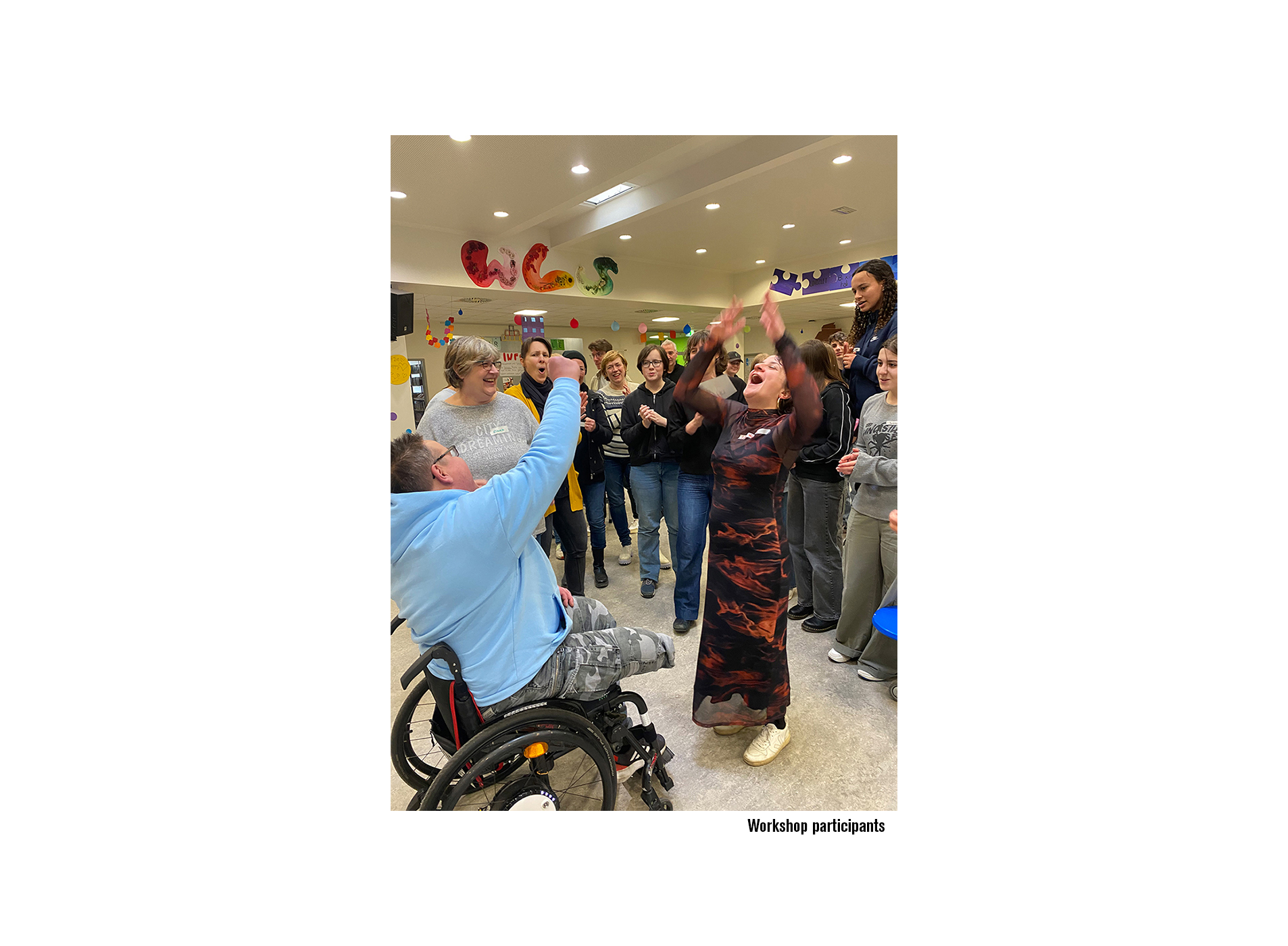
At the same time, the “Phase Null” continues—or reactivates—an ongoing pedagogical discussion that often has been developing over a longer period. This exchange gains new momentum through the intensive collaboration between students, teachers, and parents. Interviews and representative “avatars” are used to visualize needs and patterns of use through exemplary student profiles. All members of the educational community participate on equal footing, engaging in dialogue with one another and with the wider planning team.
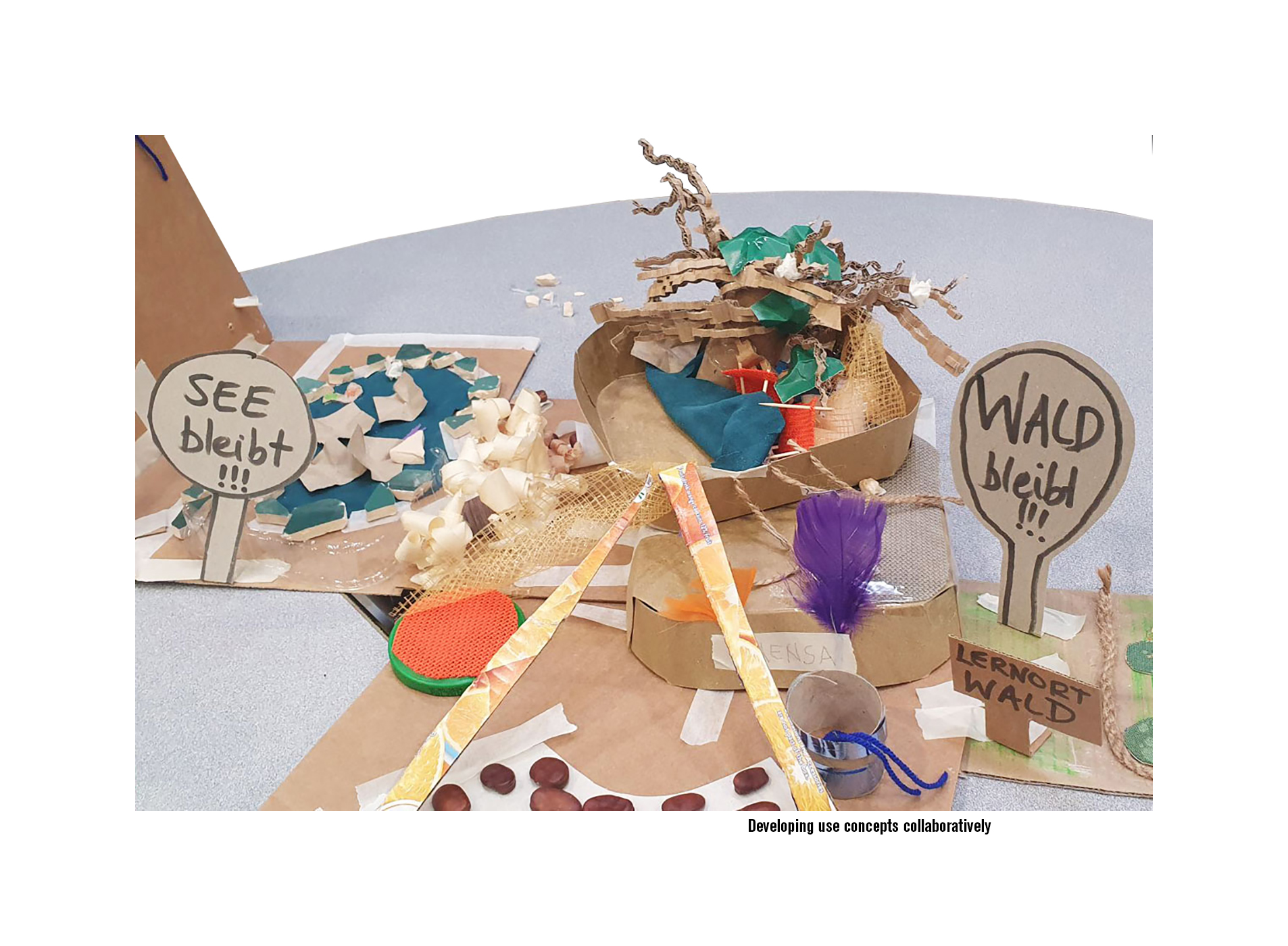
Within this participatory setting, a wide range of perspectives—and at times conflicting interests—regarding spatial and pedagogical development are articulated. Wherever possible, these positions are brought together into a shared overall concept that reflects the educational vision of the institution. Through this multi-perspective exchange, the groundwork is laid for future practices of sharing, participation, and collective responsibility.
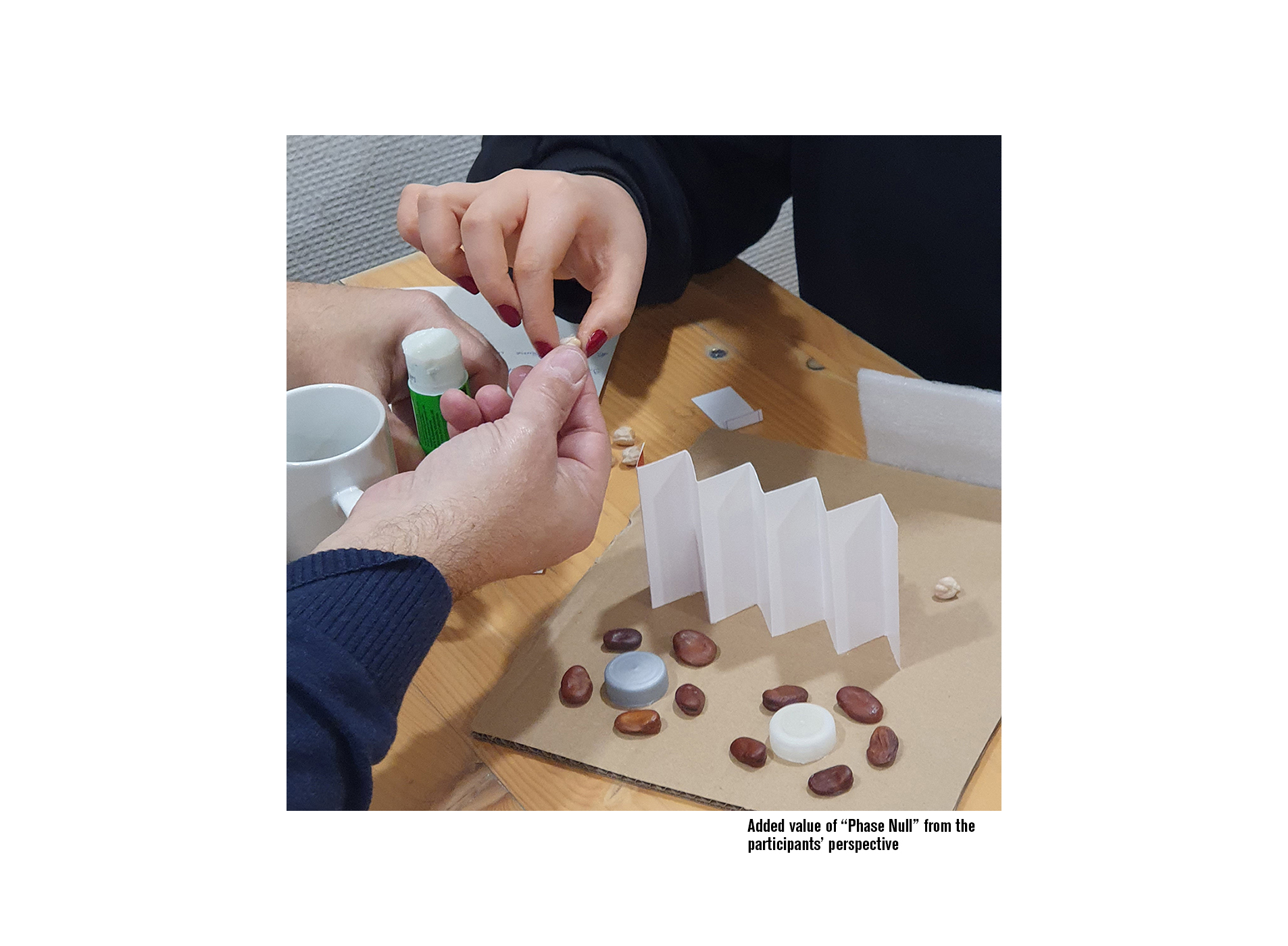
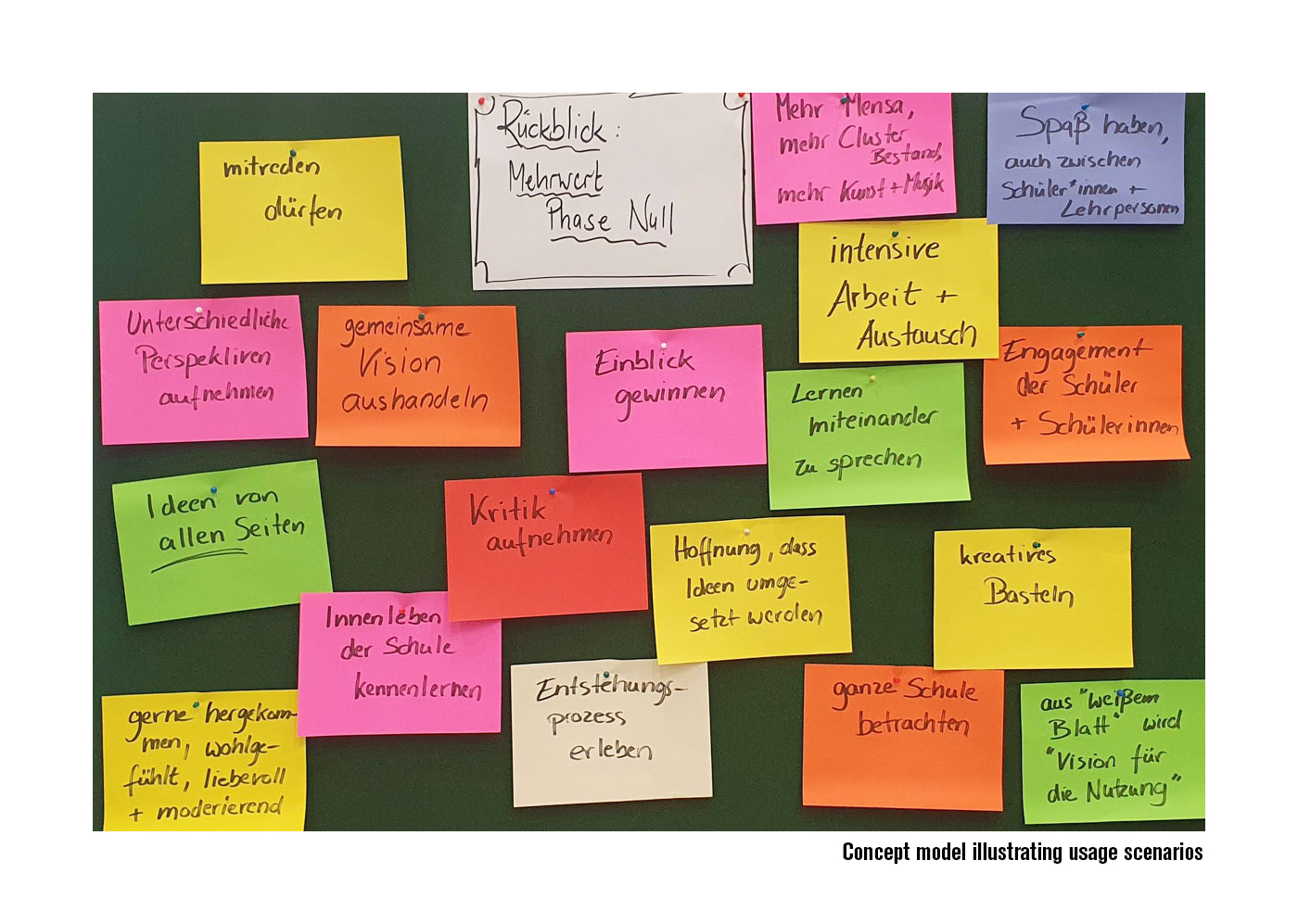
Participants consistently describe the “Phase Null” process as a collaborative, creative, and enriching experience.
Added Value of “Phase Null” from a Client’s Perspective
“Through sound professional advice at an early stage of the project, challenges and tasks were defined in a way that made proposed solutions both feasible and appropriate.
Teachers, students, parents, and the client were brought together in a well-structured and carefully moderated process. The result was a high level of participation and development.
“Phase Null” provides architects with a broad and robust information base, significantly accelerating the project start and the early planning phases and, in the best case, enabling shorter overall project timelines.
Integrating pedagogical perspectives into the needs assessment plays a key role and allows educational goals to be seamlessly embedded in school design.”
Architectural Programming (Phase Null) – Selected References
Verden Campus 2021–22
School’s public spaces and neighborhood park
客户: City of Verden (Aller)
Process facilitation: Crossboundaries, SICHT.WEISE, Bierbaum.Aichele Landschaftsarchitekten
Ulm-Wiblingen Community Center 2022–23
Community center with cafeteria, library, and full-day learning spaces
客户: City of Ulm
Process facilitation: Crossboundaries, Selbstwirksam.inspiriert GmbH
Vocational Education Campus Frankfurt am Main 2022–25
Campus development for the Philipp Holzmann School and the BTZ of Handwerkskammer Rhein-Main
客户: City of Frankfurt am Main
Process facilitation: Crossboundaries, Selbstwirksam.inspiriert GmbH
Wilhelm-Leuschner School, Niestetal-Heiligenrode
Extension and refurbishment of an integrated comprehensive school
客户: District of Kassel
Process facilitation: Crossboundaries, Selbstwirksam.inspiriert GmbH, HHS Architekten GmbH
Ulm-Wiblingen School Campus 2024–25
Elemetary and secondary school
客户: City of Ulm
Process facilitation: Crossboundaries, Selbstwirksam.inspiriert GmbH